
How much does a funeral cost in the US? In 2024 the median cost for a funeral with viewing and burial was around $8,300, with cremation services landing near $6,280. With a large memorial and long cemetery upkeep, total cost easily passes $15,000.
Nobody wants to talk about money right after a loss. But knowing the main cost categories early prevents painful surprises and family disputes later.
This page gathers the most important cost statistics from current US surveys: where the average sits, how burial and cremation differ, where the regional money is, and who ultimately pays the bill.
When families sit in my office, the question of cost often comes up only after a while. They want to talk about the person first, not numbers. My advice is always the same: get a rough overview early. The spread between a simple and an elaborate funeral easily reaches $10,000 or more. Knowing where the money goes lets you make decisions from the heart, not from pressure.
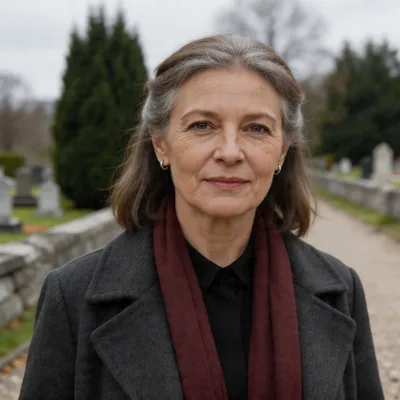 Rebecca Holloway
1. A traditional burial easily exceeds $15,000 with all add-ons
When you add cemetery plot ($1,000 to $4,000), grave opening and closing ($1,000 to $2,000), vault or grave liner ($1,000 to $5,000), and headstone ($1,000 to $3,000), a traditional burial easily passes $15,000 in total cost. Premium burials in metro areas reach $20,000 to $25,000. 1
2. A US funeral with viewing and burial costs around $8,300 on average
The 2024 NFDA Member General Price List Study puts the median cost of a funeral with viewing and burial at $8,300 in 2024, up roughly 5 percent from the prior survey. This figure covers funeral home services, casket, viewing, transportation, and ceremony, but does not include cemetery costs, monument, or flowers. 2
3. Cremation with a service averages around $6,280
A funeral with viewing followed by cremation costs around $6,280 on average according to the NFDA 2024 survey. The savings versus burial come mainly from the lower casket cost (rental versus purchase) and the absence of cemetery interment fees. 3
4. Direct cremation starts at roughly $1,500 to $2,500
A direct cremation with no service and no viewing is the lowest-cost option in the US, ranging from $1,500 to $2,500 depending on provider and region. Costs include transportation, cremation fee, basic urn, and death certificates. Online providers like Tulip Cremation, Smart Cremation, or Solace start below $1,500 in many metros. 4
5. Casket costs alone range from $1,200 to $10,000
The casket is the largest single cost item in a traditional funeral. A simple metal casket starts around $1,200, hardwood models run $3,000 to $5,000, and high-end mahogany, bronze, or copper caskets reach $10,000 or more. The FTC Funeral Rule lets you buy a casket from a third party (such as Costco) and the funeral home must accept it. 5
6. Bankrate: 26 percent of Americans cannot afford a $1,000 emergency funeral expense
Bankrate financial-stress surveys show that 26 percent of US adults could not cover a sudden $1,000 funeral emergency without borrowing. The average savings shortfall against the median funeral bill exceeds $7,000. Among adults aged 25 to 44, more than a third said they would put funeral costs on a credit card.6
7. CDC: cremation rate doubled in 25 US states since 2010
Centers for Disease Control vital statistics show cremation rates more than doubled in 25 US states between 2010 and 2023. Nevada leads with a cremation rate of 81 percent, while Mississippi remains the lowest at 27 percent. Average US disposition cost, blending burial and cremation, has risen to $5,800.
Families ask me where they can save without seeming undignified. My answer is always the same: there is no dollar amount above which a funeral becomes dignified. A simple memorial in the closest circle can move people just as deeply as a large ceremony. The biggest levers sit in the big decisions: burial versus cremation, modest cemetery versus prestige plot, simple casket versus premium, urn interment in a family plot versus a new burial spot.
Two places I would not cut. The first is the funeral director themselves. An experienced one carries an enormous amount off your shoulders in the hardest days. The second is the eulogy. It costs nothing but time and is what mourners remember most strongly.
Rebecca Holloway
If you struggle for words after a loss, our AI Eulogy Generator helps you write an honest farewell.7
8. Funeral cost rose 28.5 percent since 2014, faster than inflation
The median cost of a US funeral with burial rose from $6,463 in 2009 to $8,300 in 2024, a 28.5 percent increase. NFDA attributes the rise to casket and vault material costs, labor, and cemetery space scarcity in metropolitan areas. 8
9. CFPB warns of funeral price disparities of up to 300 percent
The Consumer Financial Protection Bureau highlighted, in a 2024 advisory, that quoted funeral prices for identical services can vary by up to 300 percent between providers within the same metropolitan area. The Bureau urged more consistent enforcement of the FTC Funeral Rule and standardised online price disclosures. Only 18 percent of US funeral homes post complete pricing online.9
10. The US funeral industry generated $20.2 billion in 2024
The US funeral, cemetery, and crematorium industry generated $20.2 billion in revenue in 2024 according to IBISWorld, across roughly 19,300 funeral homes. The industry employs over 134,000 people and continues to consolidate, with large chains like Service Corporation International (SCI) operating over 1,500 locations. 10
11. Veterans qualify for substantial burial benefits
Eligible US veterans receive free interment at any VA national cemetery, a government-furnished headstone or marker, a burial flag, and a Presidential Memorial Certificate. Service-connected death benefits add up to $2,000 to $3,000 in burial allowance. The VA processed over 137,000 burial requests in 2024. 11
12. Pre-need funeral contracts protect against future price hikes
Pre-need funeral plans let you lock in services at today’s prices, with money held in a trust or invested with an insurance carrier. Roughly 25 percent of US adults over 50 now have some form of pre-arranged funeral coverage. Final expense insurance policies of $5,000 to $25,000 are the most common alternative. 12
13. Green burials are growing, starting around $2,000 to $5,000
Green or natural burials, in which no embalming chemicals, no vault, and a biodegradable casket are used, are growing fast. Green Burial Council certified cemeteries number over 70 across the US, with costs starting around $2,000 to $5,000 depending on plot location. 13
14. Social Security pays only a $255 lump-sum death benefit
When a working person dies, Social Security pays a one-time lump-sum death benefit of $255 to the surviving spouse or eligible child. This amount has not been raised since 1954. Survivors’ monthly benefits are separate and based on the deceased’s earnings record. 14
15. The cremation rate hit 61.9 percent in 2024
The US cremation rate reached 61.9 percent in 2024 according to NFDA, up from 27 percent in 2000. Cremation is now the majority choice in every region except parts of the Deep South. NFDA projects the rate will exceed 80 percent by 2045. 15
16. Medicare and Medicaid do not pay for funerals
Neither Medicare nor Medicaid pays for funeral or burial costs. Some states have Indigent Burial Programs that cover basic cremation or burial for those without means, capped at $500 to $2,500 depending on state. The application typically goes through the county social services office. 16
17. NPR: median US funeral cost has reached $8,300
NPR analysed industry and federal data and reported that the median attended funeral in the United States now costs $8,300, including viewing, casket and burial. Cremation with a service averages $6,280. Costs have risen roughly 23 percent over the past decade, well above general inflation.17
18. Cemetery costs vary 5x between regions
A burial plot in a rural Midwest cemetery may cost $500 to $1,500. The same single plot in San Francisco, Manhattan, or Los Angeles often runs $5,000 to $25,000. Veterans qualify for free interment at any of the 155 VA national cemeteries. 18
19. Sea burials and scattering at sea cost $300 to $1,500
EPA regulations permit scattering of cremated remains at sea beyond 3 nautical miles offshore. Commercial sea-scattering services run $300 to $1,500 depending on whether family attends. Full-body sea burials, far rarer, cost $3,000 to $10,000. 19
20. Embalming costs around $800 on average
Embalming is not legally required in the US in most states, but funeral homes routinely include it when there is a public viewing. The 2024 NFDA average is $845 for embalming, plus $400 to $500 for additional cosmetic and dressing services. A closed-casket viewing or direct burial avoids these fees. 20
The bottom line
A US funeral in 2026 costs around $8,300 on average for burial with viewing, with the real range stretching from $1,500 for direct cremation to over $20,000 for an elaborate traditional burial. The biggest cost levers are the choice between burial and cremation, cemetery plot pricing, and the size of the memorial service.
Even when money feels secondary after a loss, an honest pre-calculation protects the family from surprises and arguments. Knowing which items are non-negotiable and which are not gives you a free mind for what really matters: the goodbye.
Sources
- Forbes Advisor(forbes.com)
- FTC Funeral Rule(ftc.gov)
- Funeralocity(funeralocity.com)
- US Funerals Online(us-funerals.com)
- AARP(aarp.org)
- Bankrate(bankrate.com)
- Centers for Disease Control(cdc.gov)
- Choice Mutual(choicemutual.com)
- Consumer Financial Protection Bureau(consumerfinance.gov)
- Forbes Advisor(forbes.com)
- FTC Funeral Rule(ftc.gov)
- Funeralocity(funeralocity.com)
- Green Burial Council(greenburialcouncil.org)
- IBISWorld(ibisworld.com)
- NerdWallet(nerdwallet.com)
- NFDA(nfda.org)
- NPR(npr.org)
- Social Security Administration(ssa.gov)
- US Funerals Online(us-funerals.com)
- VA Burial Benefits(va.gov)
Frequently Asked Questions
How much does a funeral cost in the US on average?
The 2024 NFDA study puts the median cost of a funeral with viewing and burial at around $8,300, while a funeral with viewing followed by cremation averages about $6,280. With a large memorial and long cemetery upkeep, the total cost easily passes $15,000.
What is the cheapest funeral option?
Direct cremation with no service and no viewing is the lowest-cost option, ranging from roughly $1,500 to $2,500 depending on provider and region. The cost covers transportation, the cremation fee, a basic urn, and death certificates.
Do Medicare, Medicaid, or Social Security pay for a funeral?
Neither Medicare nor Medicaid pays for funeral or burial costs. Social Security pays only a one-time lump-sum death benefit of $255 to a surviving spouse or eligible child, an amount that has not been raised since 1954, though some states run Indigent Burial Programs that cover basic cremation or burial for those without means.
What burial benefits do veterans qualify for?
Eligible US veterans receive free interment at any of the 155 VA national cemeteries, a government-furnished headstone or marker, a burial flag, and a Presidential Memorial Certificate. Service-connected death benefits add up to $2,000 to $3,000 in burial allowance.